


Things have been quiet on the Substack. I confess: it’s my fault, mostly. In April, Goodie and I were surprised to find ourselves in a discernment process about whether to leave the farm and our jobs. Neither of us were in a hurry to go, but we both felt that the opportunities were worth exploring. And so we did.
To make a long story short: it turned out to be a difficult, all-consuming discernment, and after much back and forth, we decided to remain in place. I still can’t share much about the process, but we both feel like we’re exactly where we’re supposed to be: on the land and in the church, nestled on a farm that’s somewhere in between the country and the city. We’re so grateful.
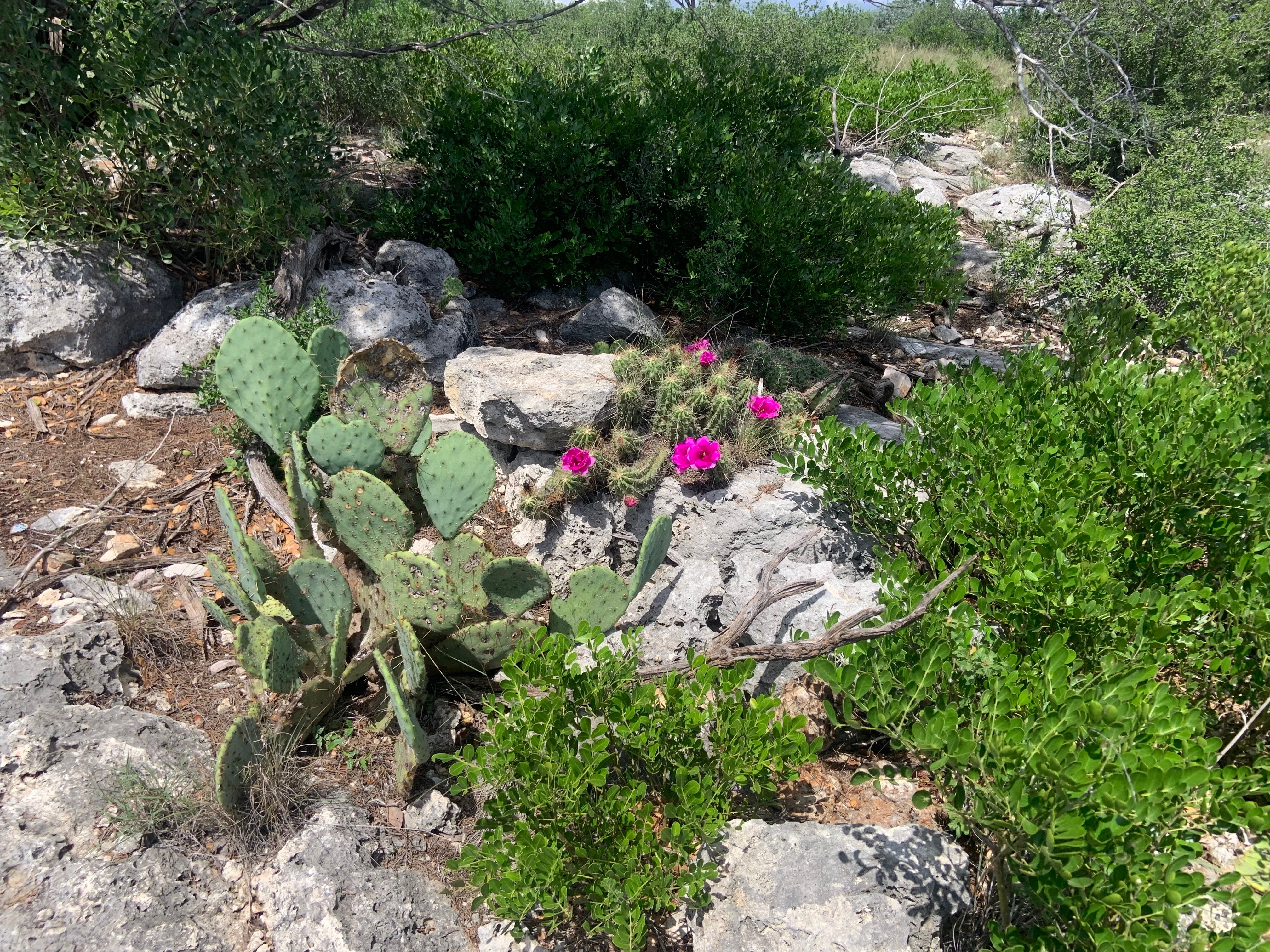
On the heels of our decision came speaking, writing, and travel. Back in the spring, I was asked to write an essay for Notre Dame’s Center for Social Concerns. My topic was the virtue of generosity. (Once it’s published, I’ll link to it here on the Substack.) After I finished, Goodie and I flew out to Texas to help lead a retreat at a place called Laity Lodge. We shared about our common vocation to till and to keep the earth; about labor and the soil; about our entanglements with other animal species. It was a brilliant weekend in a beautiful place. Somehow I managed to come away from the trip with only one picture: a strange looking cactus that I found on a hike. I asked one of the guests, who happened to be something called a Texas master naturalist, what kind of cactus it was. It is a Strawberry Cactus–not a rare plant, but one that’s uncommon east of the Pecos River.
It’s difficult to explain to people how much work goes into preparing the farm for a trip away. Of course, we have capable friends and family who look after the animals and the garden (and sometimes the children!) while we’re gone. Without them, we couldn’t ever leave. But in the summer, there’s still at least a week’s worth of prep and planning that goes into a week-long trip: checking animal health, planning grazing patterns, running temporary fence lines and lanes, and ensuring each of our five groups of animals will have enough water and forage. The amount of extra labor you expend in leaving somehow equals the time you spend away not laboring. We’ve done this enough to know that it feels like one of the few mysterious laws that govern life on the farm. (The human animal is the animal laborans, as Hannah Arendt says.) Over the years, I’ve gotten better at planning ahead, but it’s still a huge and consuming pain to pick up and go.
When we got back from Texas, I was pleased to find the farm in fine shape. The only surprise was a few lambs: apparently in late winter I missed a testicle on one of the rams. And so we have surprise babies–just a handful, thank goodness; no more than six.
Lots of writing projects are in the pipeline. As they develop, I’ll post snippets here. The first is a series of reflections on Milton’s Paradise Lost. In May and June, I had the chance to re-read the epic with some friends. I am surprised to say how gripped I was by the poem’s meditations on labor and the place of the human species in the world. I also have thing on Clare I need to finish. More (very) soon.